Dyslexia Myths vs. Facts
Families of children with dyslexia often encounter many different explanations and treatments for reading difficulties. Some are supported by decades of scientific research, while others are based on outdated theories or misunderstandings about how reading works.
Understanding the difference can help families make informed decisions and focus on approaches that are most likely to help their child succeed.
The sections below address some of the most common myths about dyslexia and explains what research actually shows.
At Sea of Strengths Academy, we believe it is important for families to understand what the research actually shows.

Myth #1: Dyslexia is caused by vision problems
Fact: Dyslexia is a language-based learning difference, not a vision disorder.
Children with dyslexia may appear to lose their place, skip lines, or move their eyes irregularly when reading. However, research shows that these eye movement patterns occur because reading is difficult, not because the eyes are malfunctioning.
As explained in research cited by major medical organizations:
“The saccadic patterns seen in readers with dyslexia seem to be the result, not the cause, of their reading disability.”
Major organizations—including the American Academy of Pediatrics, American Academy of Ophthalmology, and the International Dyslexia Association—have issued joint statements explaining that vision therapy does not treat dyslexia.
Routine eye exams are still important to ensure students can see clearly. However, dyslexia itself is best addressed through specialized reading instruction.
Myth #2: Vision therapy can cure dyslexia
Fact: Vision therapy has not been shown to improve reading skills in students with dyslexia.
In a joint policy statement, leading medical and educational organizations concluded:
“Scientific evidence does not support the efficacy of eye exercises, behavioral vision therapy, or special tinted filters or lenses for improving the long-term educational performance in children with learning disabilities.”
While some programs may claim to strengthen eye muscles or improve tracking, these treatments do not address the underlying language processing differences that cause dyslexia.


Myth #3: Colored overlays or tinted lenses improve reading
Fact: Research has not found reliable evidence that colored overlays or tinted lenses improve reading ability in students with dyslexia.
Some students may prefer certain visual settings or background colors for comfort, but these tools do not treat dyslexia or improve decoding skills.
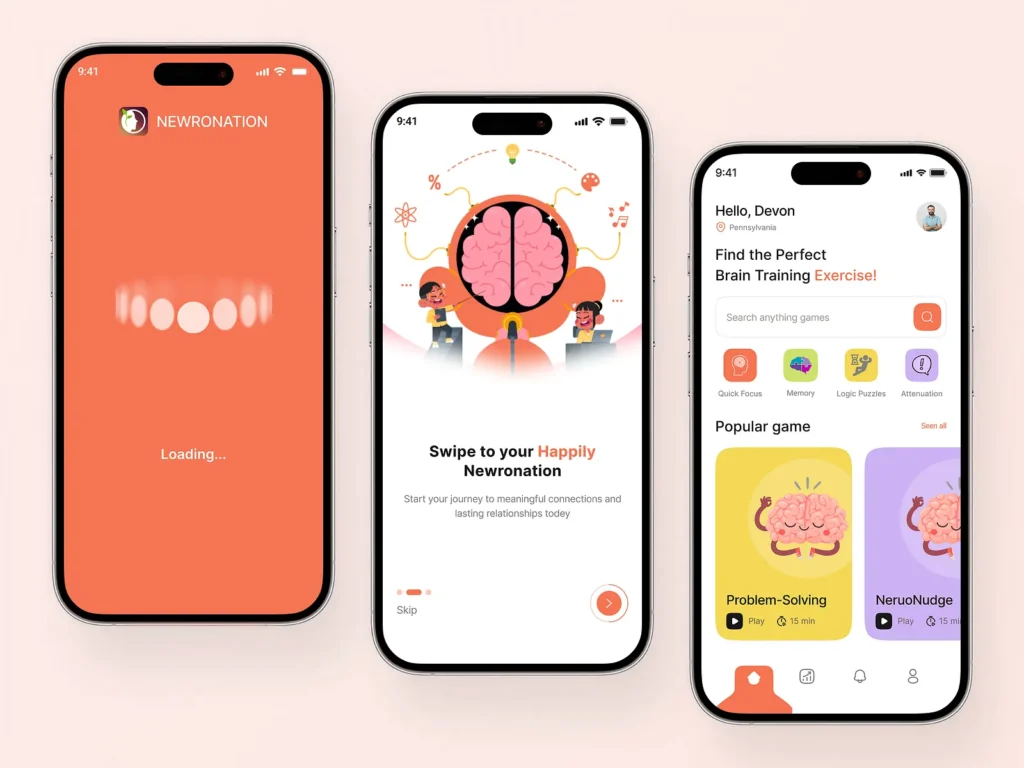
Myth #4: Brain training programs can “rewire” the brain for reading
Fact: Computer-based brain training programs may improve performance within the program itself, but studies show these gains do not transfer to reading skills.
Reading improves when students receive explicit instruction in the structure of language.

Myth #5: Children with dyslexia just need to read more
Fact: Students with dyslexia do not struggle with reading because they lack effort or practice.
Dyslexia is a difference in how the brain processes language, particularly in the areas responsible for recognizing and manipulating speech sounds and connecting those sounds to letters.
Because of this, simply asking a child with dyslexia to “read more” without specialized instruction can actually be frustrating and discouraging.
Research shows that students with dyslexia learn best when reading is taught explicitly and systematically, with direct instruction in:
Phonological awareness
Phonics and decoding
Spelling patterns
Fluency and language comprehension
This type of instruction helps students build the foundational skills they need to become confident and successful readers.
At Sea of Strengths Academy, our teaching is grounded in the science of reading, which is a large body of research examining how children learn to read and what instructional approaches are most effective for students with dyslexia.

Myth #6: Dyslexia is caused by seeing letters backwards
Fact: Dyslexia is not primarily a visual problem, and most children reverse letters when they are first learning to write.
Letter reversals (such as confusing b/d or p/q) are common for many young learners and are considered a normal part of early writing development. These reversals occur in children with and without dyslexia.
Dyslexia is better understood as a difference in how the brain processes language, particularly the ability to recognize and manipulate the individual sounds within words and connect those sounds to letters.
Students with dyslexia may sometimes reverse letters when writing, but this is not the cause of dyslexia.
Instead, the primary difficulty lies in learning how spoken language connects to written language.
When students receive explicit, structured instruction in phonology, phonics, and spelling patterns, they develop stronger decoding skills and these reversals typically decrease over time.
At Sea of Strengths Academy, our structured literacy approach directly teaches these language skills so students can build accurate and confident reading and writing abilities.
Our Approach at Sea of Strengths Academy
At Sea of Strengths Academy, our instruction is grounded in the science of reading, a large body of interdisciplinary research that explains how children learn to read and what teaching methods are most effective.
Our program emphasizes structured literacy, which provides:
Explicit instruction
Systematic skill progression
Multisensory teaching strategies
Frequent practice and feedback
Careful monitoring of student progress
This approach has been shown through decades of research to be the most effective way to support students with dyslexia.
Our goal is not only to help students become successful readers, but also to help them rediscover the confidence and joy that comes with learning.